

Blockchain development
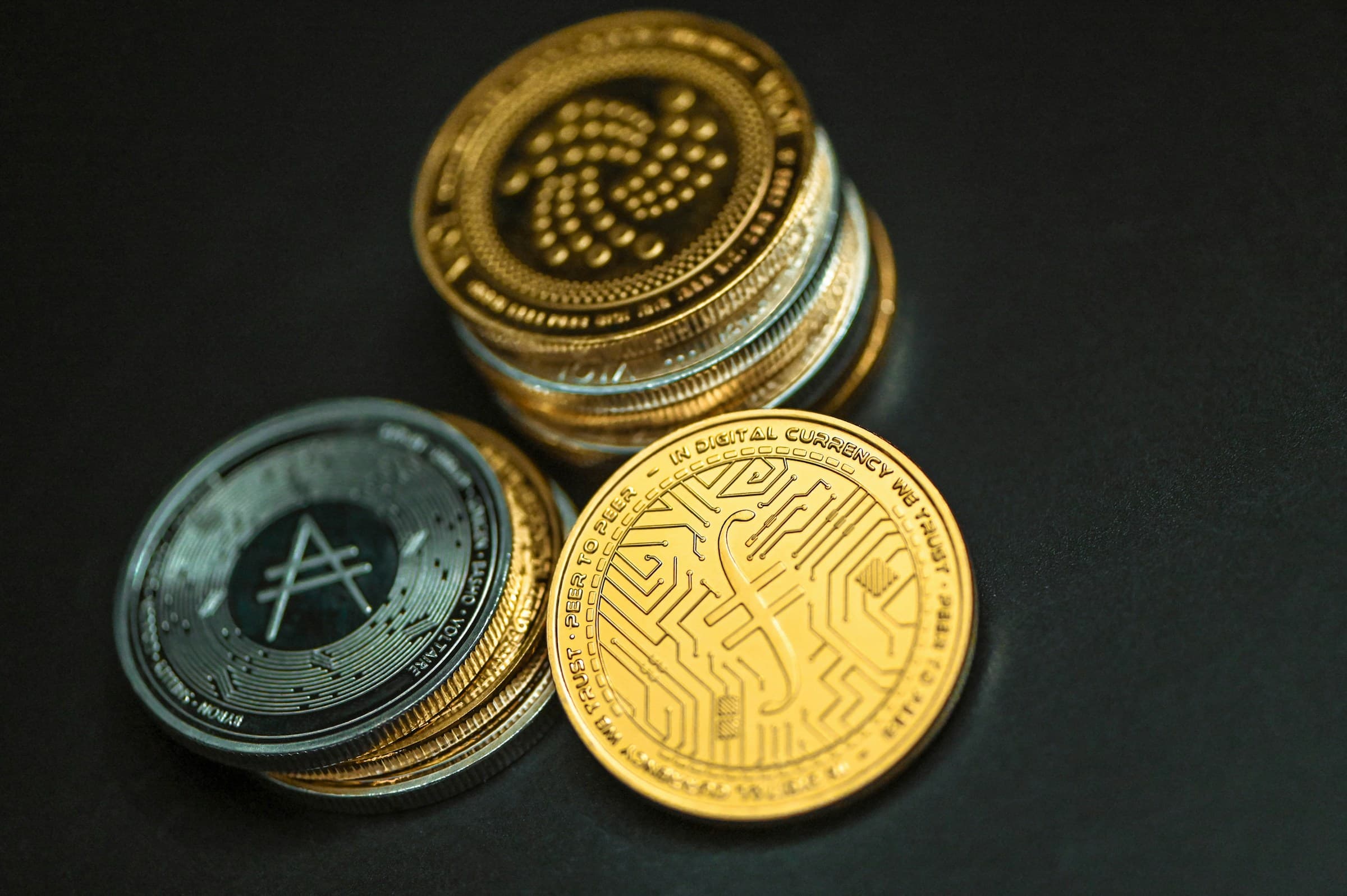
A blockchain is a decentralized digital ledger that saves transactions on thousands of computers around the globe
Overview
The Blockchain developer’s responsibility is to develop innovative solutions to challenging problems, including solutions for command and control, and high integrity. The developer also performs complex analysis, design, development, testing, and computer software debugging, specifically for distinct product hardware or for technical service lines of businesses. Develops perform software design, operating architecture integration, and computer system selection. Finally, they operate on multiple systems and apply knowledge of one or more platforms and
Why Work With Us
To train yourself to become a blockchain developer, understanding the basic concepts and terminologies in the field of blockchain is very important. It is a prerequisite skill, without proper domain knowledge, one cannot proceed further in the blockchain industry. So, learn the fundamental concepts of blockchain, gain a deeper and clearer understanding of them, and also learn about real-time blockchain applications, the working mechanism of various consensus protocols. Examine recent advancements in blockchain technology.
Delivery Framework
Learn about cryptonomics
In blockchain technology, the data is cryptographically secured with the help of various security protocols. Cryptonomics is the combination of economics and cryptography. Strong mathematics and computer science concepts are required to build strong cryptography protocols
Createing blocks
A transaction occurs and is transmitted to the distributed network of nodes. Each of the nodes in the network must verify the transaction, and if there’s a consensus, they approve the transaction and all of its corresponding data gets recorded in a block.
Add to the chain
All transactions are blocked together in a completely fixed fashion to form a blockchain. Every time a block is added to the chain, the network uses the same consensus approach to further confirm the previous block(s) and thus adds validity to the overall blockchain
Decentralized
Blockchain doesn’t depend on an intrusive middle man. This means no government currency and also no third parties for verification. In addition, transactions are spread across thousands, or perhaps even millions of computers – although only your blockchain network can access it. Thanks to this decentralization, data is never lost.
Immutable
The data structure of a blockchain uses an append-only format. Ill-intentioned parties can not alter or delete data that has already been recorded. Naturally, this provides an extra layer of security.
Transparent
As blockchain is a distributed ledger, everyone in the network has access to the same documentation. These digital copies all root back to the same digital information so you don’t have a dozen individual copies of sensitive information.
Frequently Asked Questions
Is blockchain front-end or back-end?
Blockchain isn’t a programming or scripting language so the terminology of this kind doesn’t quite fit. That said, if you’re plugging blockchain tech into an app, you’ll probably need a back-end developer. But a front-end developer must make a user interface (UI) that functions well with the back-end.
When was blockchain invented?
Blockchain was invented in 2008 just after the Great Recession under the name Satoshi Nakamoto. As of today, this name has not been found to be officially associated with any one person or group.
Is blockchain easy to use?
Easy is not a common adjective for blockchain technology. Blockchain isn’t exceedingly difficult but you need to be well-versed in the technology to operate blockchain systems.
Is blockchain free?
For the most part. Think of blockchain as a database – that’s not something you can charge money for. And most blockchain dapps like Bitcoin are open-source. But you will need to hire developers despite all this. Enterprise versions such as IBM’s Hyperledger have costs tied to them such as using IBM Cloud.